DAT Loadboard Mastery: The Complete Guide for Freight Dispatchers
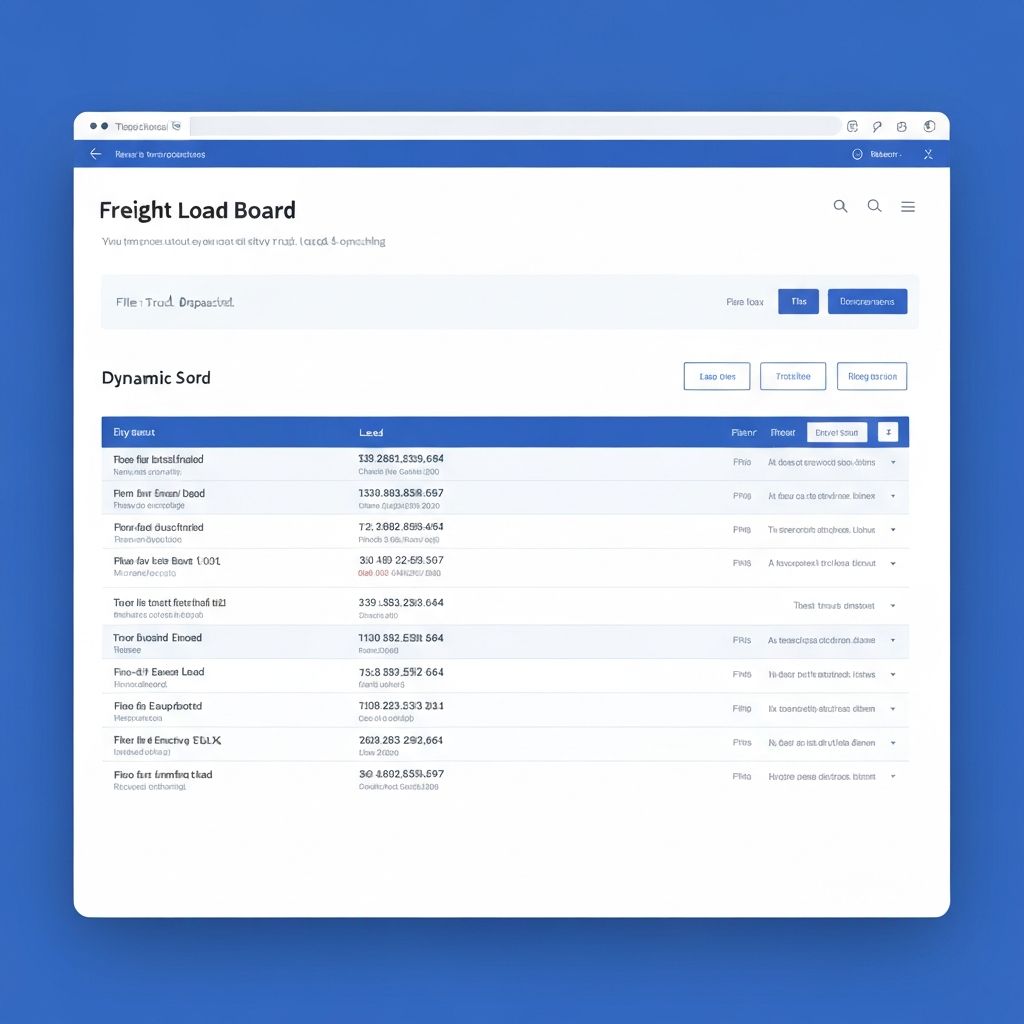
DAT is the largest and most widely-used loadboard in the trucking industry, with over 500 million loads posted annually. Mastering DAT is essential for any freight dispatcher who wants to find high-paying loads consistently. This guide covers everything from basic navigation to advanced negotiation tactics.
1. What is DAT Loadboard?
DAT (Dial-A-Truck) has been the industry leader in freight matching since 1978. The platform connects freight brokers who have loads with carriers and dispatchers looking for freight. Key features include:
- Real-time load postings from 75,000+ freight brokers
- Rate analytics and historical lane data
- Broker credit scores and payment history
- Lane rate averages and market trends
- Mobile app for on-the-go load searching
- Integration with TMS software
2. DAT One vs DAT Power: Which to Choose
DAT offers two main subscription tiers for dispatchers. Here is how they compare:
DAT One
$45/mo- Unlimited load searches
- Basic rate data
- Broker credit scores
- Mobile app access
- Email/phone support
Best for: New dispatchers, those managing 1-5 trucks
DAT Power
RECOMMENDED- Everything in DAT One
- Advanced rate analytics
- Lane rate predictions
- Load-to-truck ratios
- Market demand forecasting
- Priority support
Best for: Serious dispatchers managing 5+ trucks
Our Recommendation: Start with DAT One when you are new and have under 5 trucks. Upgrade to DAT Power once you are managing 5+ trucks—the advanced analytics will easily pay for themselves through better rate negotiation.
3. Advanced Search Techniques
Finding the best loads quickly is crucial. Here are advanced search strategies:
Use Radius Search Strategically
Start with a 50-mile radius for popular areas, expand to 100-150 miles for rural pickups. This balances load availability with deadhead costs.
Filter by Equipment Type First
Always set your equipment type (dry van, reefer, flatbed) before searching. This eliminates irrelevant loads and speeds up your search.
Check Load-to-Truck Ratios
A ratio above 3:1 means loads outnumber trucks—you have negotiating power. Below 1:1 means oversupply of trucks—expect lower rates.
Save Frequent Lane Searches
Create saved searches for your drivers regular lanes. DAT will alert you when new loads match your criteria—first to call often wins.
4. Rate Negotiation Strategies
The posted rate is almost never the final rate. Here is how to negotiate effectively:
The 3-Step Negotiation Framework
Research Before You Call
Check DAT rate averages for the lane. Know the high, average, and low rates before picking up the phone.
Start 15-20% Higher
If the posted rate is $2,000, ask for $2,300-$2,400. This gives you room to negotiate down while still hitting your target.
Use Silence and Walk Away
State your rate and wait. If they counter too low, politely say you will check other options. Often they will call back with a better offer.
Sample Negotiation Script
“Hi, I am calling about the load posting from [City] to [City]. I have a driver available for pickup today. What is your best rate on this?”
[Broker gives rate]
“I appreciate that, but based on current market conditions and my driver's costs, I would need [X amount] to make this work. Can you get closer to that?”
[Negotiate from there]
5. Checking Broker Credit Scores
One of DAT's most valuable features is broker credit scores. Always check before booking a load.
| Credit Score | Rating | Recommendation |
|---|---|---|
| 90-100 | Excellent | Book with confidence |
| 80-89 | Good | Generally safe to book |
| 70-79 | Fair | Proceed with caution, verify MC |
| Below 70 | Poor | Avoid or require quick pay |
Warning: Double Brokering Risk
If a broker has no credit history or very few reviews, they may be double brokering. Always verify their MC number on FMCSA SAFER before booking.
6. Common Mistakes to Avoid
Not checking credit before calling
Fix: Always check broker credit first. It takes 10 seconds and can save thousands in unpaid invoices.
Accepting the first rate offered
Fix: Posted rates are starting points. Negotiate 95% of the time.
Ignoring lane averages
Fix: DAT shows rate averages for a reason. Use them to know when a rate is fair.
Searching too narrow a radius
Fix: A 25-mile deadhead to get a load paying $500 more is worth it.
Not confirming rate in writing
Fix: Never move a truck without a rate confirmation. Get it via email or through the DAT system.
7. Pro Tips from Experienced Dispatchers
Call on loads posted in the last 2-4 hours. Older posts mean the broker is struggling to find coverage—you have leverage.
Build relationships with brokers. A broker who knows you will deliver gets you better rates and first call on hot loads.
Use the DAT mobile app to monitor loads during off-hours. Weekend loads often pay premium rates.
Check market trends weekly. DAT shows seasonal patterns that help you predict rate movements.
Cross-reference DAT rates with Truckstop and 123Loadboard. Sometimes you will find the same load posted at different rates.
Learn Load Board Mastery in Our Full Course
This article is just a preview. Get the complete training with video walkthroughs, negotiation scripts, and hands-on exercises.
Get the Full Course - Only $39